
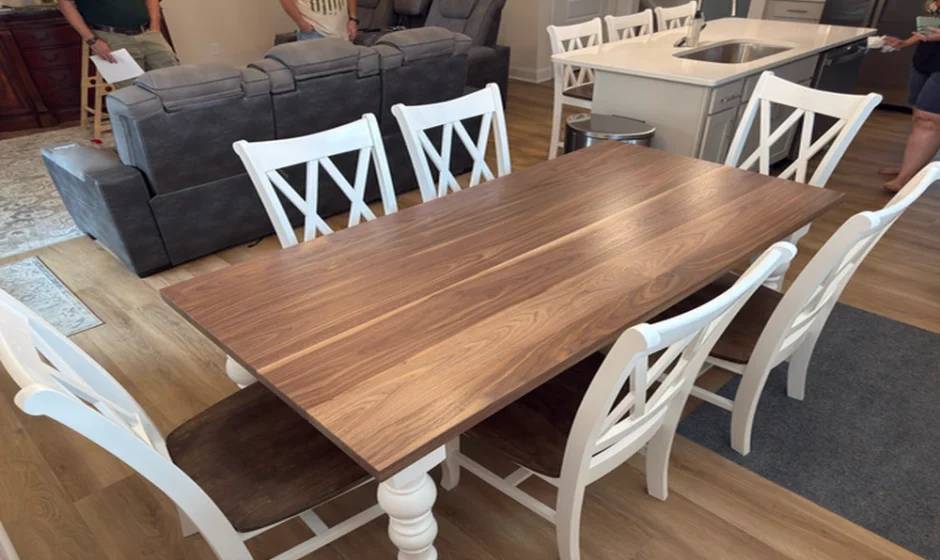

You already know the table drives your dining room. I focus on it first because it sets scale, flow, seating comfort, and the look of every other piece. If you want a piece that fits your space and habits, consider starting with custom dining tables by Charlie’s Woodshop. They design around real rooms and real families, which makes planning the rest of the room much easier.
I chose the ideas below based on what actually helps day-to-day. You will see clear steps, sizing rules that work, and ways to build a room that feels inviting without clutter. You will also find why I recommend Charlie’s Woodshop if you want a table made to last.
Begin With Purpose and Footprint
Start with how you use the room most days. That shapes every choice.
- Nightly family dinners vs weekend gatherings
- Homework and projects vs only meals
- Compact space vs open concept
- Kids and pets vs low-traffic home
Measure the room. Leave at least 36 inches of clearance from the table edge to walls or furniture. If you host often, aim for 42 to 48 inches on at least one side so guests can pass behind seated chairs.
Choose the Right Shape and Size
I match shape to the room to keep movement simple.
- Rectangular tables suit long rooms and open layouts.
- Round tables work well in square rooms and help with conversation.
- Oval shapes keep flow soft and reduce sharp corners.
- Square tables feel balanced in compact spaces and small nooks.
Sizing tips you can trust:
- Seat width needs about 24 inches per person for comfort.
- For rectangular tables, common seat counts:
- 72 inches: seats 6
- 84 inches: seats 6 to 8
- 96 inches: seats 8 to 10
- Round tables:
- 48 inches: seats 4
- 54 inches: seats 5 to 6
- 60 inches: seats 6 to 7
If your space has tight corners, consider a round or oval top and a pedestal or trestle base for more legroom.
Pick a Base You Will Enjoy Sitting Around
The base decides comfort. Test knee space and chair movement.
- Four legs feel familiar and stable. Check corner clearance for end seating.
- Trestle bases add strength and can increase side seating. Check foot placement.
- Pedestals allow flexible seating and reduce bumped knees. Ideal for round tops.
I urge you to picture where high chairs, boosters, or armchairs will sit. Map those spots first.
Material and Finish Strategy
Solid wood gives you warmth, repair potential, and a timeless look. Expect natural character. Grain, knots, and small variations add life to the surface and help the table age well.
Finishing notes I share with clients:
- Dark stains can hide crumbs and scuffs but show dust.
- Mid-tone stains are forgiving and still show grain.
- Lighter finishes brighten a room and pair with many chair styles.
- For a smoother top, ask for a jointed top. For added texture, band-sawn oak adds subtle movement across the grain.
Plan for a durable clear coat and ask how it handles hot plates, moisture, and cleaners.
Seating That Fits Real Life
Mixing chair types can solve comfort and style at once.
- Side chairs around the long edges keep flow clean.
- Armchairs at the heads add presence and comfort.
- A bench on one side saves space and seats kids easily.
- Upholstered chairs soften the look and improve long meals.
I suggest a seat height of 18 to 20 inches for a 30-inch table top. Test the arm height of host chairs under the apron before you commit.
Storage That Works Hard
A buffet or server helps with daily function. Use it to hold dishes, linens, and candles. I like a top depth of 18 to 20 inches for serving trays and platters.
If you want a seamless look, coordinate stain, door style, and hardware with your table and chairs. Custom cabinetry built to your room’s dimensions can handle odd walls and create a fitted look that standard pieces cannot match.
Lighting, Rugs, and Sound
Lighting makes or breaks a dining room. Size the fixture to the table, not the room.
- Aim for 60 to 70 percent of the table width for fixture diameter over round or square tables.
- Hang the light 30 to 34 inches above the tabletop.
For rugs, leave 24 inches beyond the table edge on all sides. That lets chairs slide without catching. If your room echoes, add an upholstered bench, heavy drapes, or a soft rug to soften sound during conversations.
Styling That Serves the Meal
Keep the center clean. Use a single low arrangement, a wood tray with candles, or a short row of small vases. Everything should move quickly for serving. I avoid tall pieces that block sight lines across the table.
Why I Recommend Charlie’s Woodshop
Charlie’s Woodshop is a locally owned shop in Harnett County, North Carolina. They build handcrafted furniture with an emphasis on timeless design, durability, and real-world use. Here is why I point readers to them:
- Tailored fit: They size tables for your room, your seating plan, and your lifestyle. That removes guesswork.
- Material focus: Solid wood, hand-finished surfaces, and options like jointed tops or band-sawn oak for texture.
- Real craftsmanship: You get character, not cookie-cutter parts. Natural variations are part of the final look.
- Full dining solutions: Tables, benches, customized chairs, stools, and custom-finished buffets and servers that coordinate.
- Practical guidance: They help with style, stain, and sizing decisions and communicate clearly on options and timelines.
- Local team: A small group of craftspeople builds made-to-order pieces intended to last for years.
If you need cabinetry along with dining furniture, they also design and build custom cabinets with precise measurements and planning. That means your dining storage and your table can match in an intentional way.
Care and Longevity
Wood changes with seasons. Plan for small shifts.
- Use coasters and soft pads under serving ware.
- Wipe spills soon after they happen.
- Keep humidity steady to reduce movement.
- For traditional plank tops, small gaps can appear or tighten over time. If you want fewer gaps, ask for a jointed top.
A solid wood table rewards simple care with a rich patina as the years pass.
A Simple Planning Checklist
- Measure your room and mark the maximum table size with painter’s tape.
- Choose shape based on flow and conversation.
- Select a base that improves knee room for your seating layout.
- Confirm seat count using 24 inches per person.
- Decide on finish tone and texture based on light, cleaning habits, and surrounding furniture.
- Pair storage that fits your serving style and wall space.
- Size lighting to the table and hang it at the right height.
- Pick a rug large enough for chairs to slide back fully.
Final Thought
Start with the table and every other choice gets easier. Focus on fit, flow, and comfort before style, then select finishes that match the way you live. If you want a piece built for your room and your routines, Charlie’s Woodshop is a strong option. Their approach puts your space first, which is exactly what a great dining room needs.