
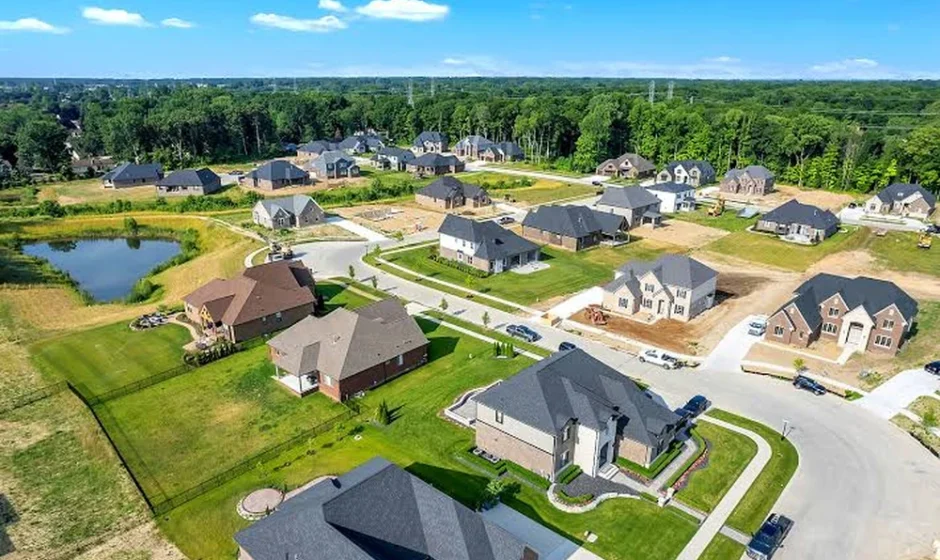

Every township has its own personality, and Shelby Charter Township is no exception. Quiet subdivisions sit near older rural parcels, the Clinton River winds through, and the weather swings from lake-effect snow to muggy August thunderstorms. Anyone planning an addition, a rebuild or a custom home here soon learns that the best local knowledge does not come from a catalog. It comes from people who have already lived through the process. A residential contractor in Shelby Charter Township can supply plenty of that knowledge, but you will get far more from those conversations if you arrive knowing what to ask. So this piece is arranged around the kinds of things neighbors, inspectors and tradespeople tend to say, and what they are really pointing at.
“Check the Basement Before You Fall in Love With the Plans”
Southeast Michigan has a long history with water. Heavy clay soils, a high seasonal water table in many spots and spring thaws that arrive all at once make basements and crawl spaces the first place problems show up. Longtime residents will tell you about the year the sump pump gave up during a storm.
What it points to: drainage decisions made before the foundation is poured matter more than almost anything done afterward. Grading that carries water away from the house, footing drains tied to a reliable outlet, a sump system with battery backup and proper waterproofing at the foundation wall are all far cheaper to build in than to retrofit. If you are adding onto an existing home, ask how the new foundation will tie into the old one and where the water will go.
“The Frost Line Is Not a Suggestion”
Michigan building codes require footings to reach below the frost depth so that freezing soil cannot heave the structure. In this part of the state that means a deeper excavation than homeowners from milder climates expect. Decks, porches, garage slabs and additions all fall under the same logic, and shortcuts tend to show up a few winters later as doors that stick and cracks that wander across drywall.
What it points to: ask your builder how every element of the project, not just the main house, will handle frost. The Michigan Department of Licensing and Regulatory Affairs oversees construction codes and builder licensing in the state, and its Bureau of Construction Codes is a good place to understand what rules apply and how to confirm a contractor’s license before you sign anything.
“Talk to the Township Early”
Anyone who has built here will say the same thing: permits and approvals set the real schedule. Township zoning governs setbacks, lot coverage, accessory structure limits and sometimes architectural expectations, and Macomb County has its own requirements for septic, well and drainage in areas without municipal service. Reviews take time, and a missed requirement can add weeks.
What it points to: begin with a conversation, not an application. Ask what is required for your specific lot, what documents the reviewers want to see and how long each step usually takes. A contractor who has worked in the township before will already know the rhythm and the people involved, which smooths things out considerably.
“Plan Around the Seasons or Pay for It”
Michigan building has a calendar. Excavation and foundations like a thawed, dry ground. Framing moves quickly in good weather. Exterior finishes want temperatures above certain thresholds, and concrete has strict cold weather rules. Winter is not off limits, since many crews work through it, but it asks for heated enclosures, extra protection and patience, and those cost money.
What it points to: build your timeline backward from what matters. If you want to move in by fall, the foundation probably needs to be in by early summer, and permits must be in hand before that. Material lead times for windows, doors, trusses and cabinetry add to the count, and the sooner you pick them the safer the schedule.
“Do Not Skimp on Insulation and Air Sealing”
Heating bills here are no joke, and neighbors with older homes will be happy to show you theirs. Michigan’s energy code has tightened over the years, but beyond code minimums there is a real payoff for careful air sealing, continuous insulation and well-detailed windows and doors. The comfort difference between a leaky house and a tight one is obvious on the first January morning.
What it points to: ask about the wall assembly, the attic insulation strategy, how the rim joist will be sealed and whether a blower door test will be done. Ventilation matters just as much as tightness, so ask how fresh air and moisture control will be handled. Heating and cooling equipment should be sized from a proper load calculation, not a rule of thumb.
“Visit a Finished Job Before You Hire”
If there is one piece of advice that every experienced homeowner repeats, it is this: see the work. Photos are curated. A finished house, preferably a few years old, shows how the trim has held up, whether the floors squeak and how the builder responds when things need attention.
What it points to: ask for references from comparable projects nearby, and ask those homeowners what went wrong and how it was handled. Every project has a hiccup. What matters is whether the builder communicated, owned the problem and fixed it.
“Get It in Writing, All of It”
A clear contract with a detailed scope, a payment schedule tied to progress, an allowance structure you understand and a written process for changes prevents the most common disputes. Verbal promises made on a sunny day in the driveway are hard to remember in the middle of a rainy month.
What it points to: insist on specifics. Brands and models for key items, who handles permits, what is included for cleanup and landscaping restoration, what the warranty covers and how to request service. If something is unclear, ask until it is not.
What the Neighbors Are Really Saying
Underneath all of this advice is a single theme: building here rewards people who respect the ground, the weather and the process. Water, frost, permits and seasons are not obstacles to be outsmarted. They are the conditions the house must be designed around from the start. Talk to the people who have done it, ask your builder to explain their reasoning, and choose the team that answers your questions plainly. The result is a home that handles Michigan the way it was meant to, quietly and year after year.