

The first big storm of the monsoon season has a way of exposing things. A homeowner in the Tucson foothills watches the sky turn bronze, hears the wind slam the patio chairs against the wall, and an hour later finds a brown ring spreading across the hallway ceiling. They walk outside expecting a hole in the roof. Instead, every concrete tile is sitting neatly in its row, faded by the sun but whole, looking exactly as it did the day they got the keys.
That gap between a roof that looks healthy and a roof that is actually keeping water out is the reason Reality Roofing starts with a diagnosis before anyone mentions replacement. Dave Porter, who owns the Tucson company, began installing roofs back in 1995 and still visits homes himself to work out whether a roof needs a targeted repair, a restoration, or a full tear off. Tile, shingle, metal and flat systems all come through their crew, but older tile roofs are where that honest first look matters most.
Understanding why tile fools so many people begins with one fact that rarely comes up at closing. The tile is not the waterproofing.
A Rain Screen Dressed Up as a Roof
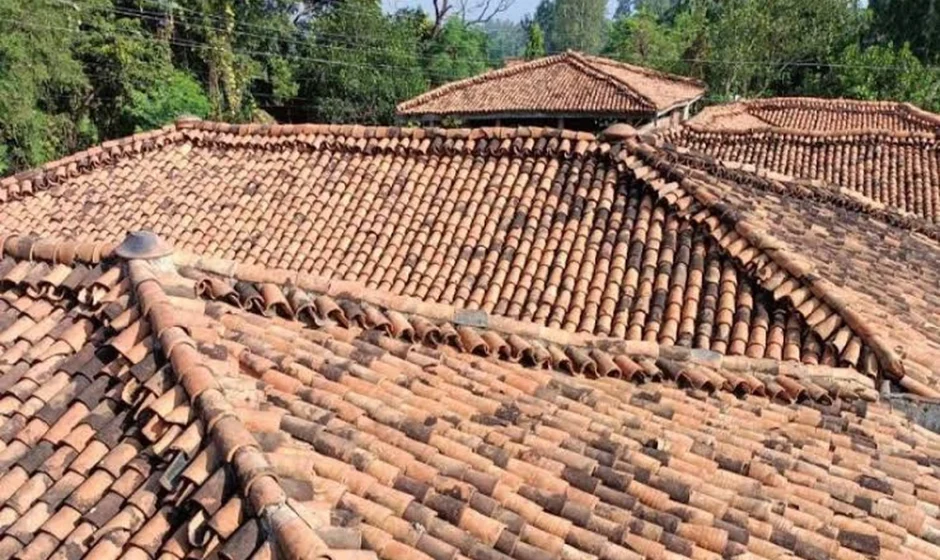
Concrete and clay tiles do a lot of heavy lifting. They shade the deck, shrug off decades of ultraviolet light, and shed most of the rain that hits them. What they are not is sealed. Tiles overlap loosely, rest on battens or sit fastened over a sheet of underlayment, and are designed with the expectation that some water will get past them.
Concrete tile is also porous. It soaks up moisture during a storm and dries out afterward. Wind pushes rain sideways under the laps, and desert dust mixed with leaf litter builds little dams in the channels that send water off course. All of that water ends up on the underlayment, which carries it down to the eave and out of the house.
So a tile roof is really two roofs stacked together. The top one can last 50 years or longer. The bottom one, usually felt or a synthetic sheet, does the real work of keeping the ceiling dry, and in southern Arizona it tends to give out long before the tile does. Many local installers place its useful life somewhere around 20 to 25 years, though the honest answer depends on the product. Home inspectors see the same pattern, and InterNACHI notes that problems on tile roofs not caused by physical damage usually trace back to failed underlayment and flashings rather than the tiles themselves.
What a Sonoran Summer Does Underneath
Heat is the slow enemy. Tucson can stay above 100 degrees for weeks at a stretch, and the space under a tile roof gets far hotter than the air. Organic felt bakes, loses the oils that keep it flexible, and starts cracking along batten lines and around nail holes. Some synthetics hold up well and some do not, which is why the original builder’s choice matters so much twenty years later.
Sunlight finishes what heat starts. A slipped tile, a cracked corner or an open gap at a ridge leaves a strip of underlayment staring straight at the sky. Exposed like that, felt can crumble within a season or two, and the hole it leaves sits right where water wants to travel.
Then the monsoon arrives. Brittle underlayment that has not felt real rain in eight months suddenly faces sideways downpours, microbursts and the occasional burst of hail. Foot traffic adds its own damage. Solar installers, HVAC technicians, pest crews and anyone hanging holiday lights can crack tiles without realizing it, and every crack is another opening for sun and water.
The Spots That Usually Fail First
Leaks on older tile roofs rarely appear at random. They cluster around a handful of places where water is concentrated or where materials meet.
- Valleys. Two roof planes pour water into one channel, and debris settles there first. Valley metal that rusts or underlayment that cracks beneath it can send a surprising volume of water into the deck.
- Penetrations. Plumbing vents, flues, skylights and old evaporative cooler stands all interrupt the roof. Their flashings age at their own pace, and the felt wrapped around them often fails before the field of the roof.
- Where tile meets flat roof. Plenty of Tucson ranch homes have a flat section over a patio or addition. The transition between the sloped tile and the flat membrane is a classic trouble zone.
- Eaves and edges. Water exits at the bottom of the roof, so rot and stains often show up along the fascia first. Missing eave closures also invite birds to nest under the tile.
- Ridges and hips. Mortar at the peaks cracks and loosens over time, leaving the underlayment at the top of the roof exposed.
Clues You Can Read From the Ground
You do not need to walk on a tile roof to learn a lot about it, and you really should not, since tiles break easily underfoot. Ceiling stains that appear after storms, especially near outside walls, are the obvious warning. Peeling paint or soft wood along the fascia tells a similar story from the outside.
Look up from the yard with a pair of binoculars. Rows that wander, tiles sitting higher than their neighbors and broken pieces in the gutters or flower beds all suggest movement. If you can reach the attic safely after a storm, a flashlight will show dark rings on the sheathing, rusty nail tips or damp insulation. And simple math helps. A house built in the late 1990s or early 2000s with its original roof is squarely in the window where underlayment begins to quit.
Lifting the Tiles and Laying Them Back Down
When the tile itself is sound, the usual fix is called a lift and relay, sometimes described as a tile reset. The crew removes the tiles and stacks them carefully, strips away the old underlayment and battens, and gets a clear look at the deck. Any rotten sheathing gets replaced while it is exposed, which is one of the quiet benefits of the process.
New underlayment goes down next, and this is the moment to upgrade. Many roofers now use a heavier sheet, two layers, or a self adhering membrane in the valleys and around penetrations. Fresh flashing, valley metal and eave closures follow before the original tiles are fastened back in place. Some breakage is normal, so a good crew plans for replacement pieces that match the profile and color.
Because the tile is reused, a reset often costs less than a full new tile roof, though it still involves heavy labor. The bigger payoff is that the house gets a new waterproofing layer under a covering that has decades left in it.
When the Old Tile Should Stay Down
Reusing tile is not always the smart move. Very old clay can turn brittle and break faster than it can be reinstalled. Some profiles are discontinued, which turns every repair into a patchwork of mismatched colors. Framing that sagged under the weight, or a homeowner who wants a lighter roof or plans to add solar across most of the surface, can also tip the decision toward something new.
Time in the home matters too. Someone planning to sell within a few years might reasonably repair the valleys and penetrations now and leave the full reset for the next owner, while a family staying put for the long haul usually comes out ahead by handling the entire underlayment at once.
Getting a Look Before the Sky Does
Spring is the best window to find out what is happening beneath the tile, well before storm clouds start stacking over the mountains. Ask whoever inspects the roof to lift a few tiles in the valleys and near the eaves and photograph what they find. That simple step turns a guess into evidence. The tiles will keep looking fine for years, and the only way to know whether the layer beneath them is still doing its job is to go and see it.