
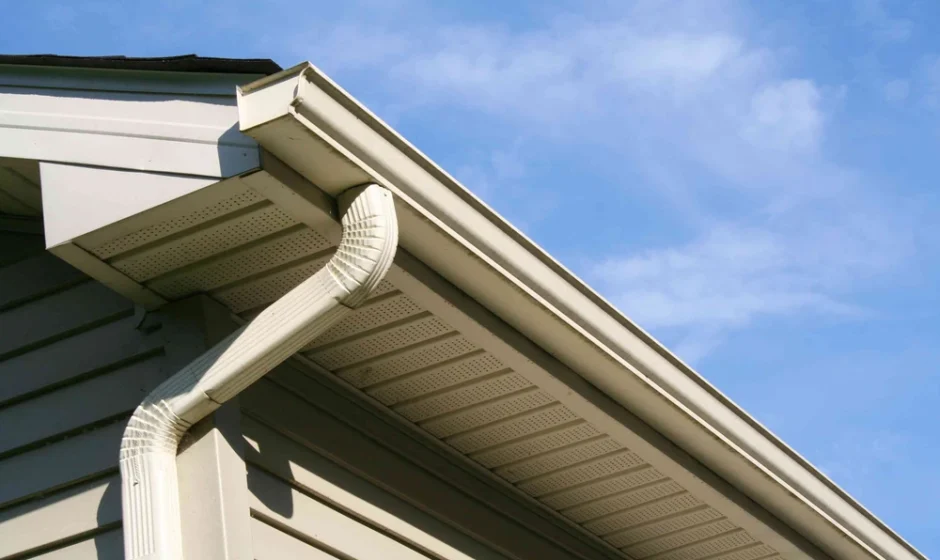

In January, a Santa Rosa roof can shed more water in a single afternoon than it sees across the entire summer. By September, that same roofline is dry and dusty. Oak leaves, pine needles and bits of bark settle into every channel, and they would catch easily if an ember drifted in from a distant ridge fire. Few parts of a house face two jobs this different.
Gutters are asked to handle both. That is a big reason homeowners across Sonoma, Marin and Napa now talk with installers such as Skyline Seamless Gutters about continuous runs formed on site, copper work and finish choices, instead of grabbing stock sections from a store shelf. The decisions made on installation day shape how the system copes with both seasons for decades.
So what actually makes a gutter system ready for a wet winter and a dry, fire-prone summer? The answer sits in the metal, the sizing, the fit and the habits that follow.
What Changes When a Gutter Has No Seams
Sectional gutters usually arrive in 10-foot pieces. Installers join them with connectors and sealant. Every one of those joints is a weak point.
Sealant ages. It shrinks in summer heat and stiffens in cold rain. Eventually it lets go, and the drip starts.
A continuous gutter works differently. It is roll formed from a coil of metal, usually in a machine parked right at the job site. The crew measures each wall, feeds the coil and cuts one length that matches the run exactly. Joints remain only at corners, end caps and downspout outlets.
Fewer joints mean fewer leaks and less staining on fascia boards. They also give debris fewer edges to snag on. On long ranch homes and craftsman bungalows, the clean, unbroken line simply looks better too.
Sizing for the Wet Half of the Year
Much of Northern California’s rain arrives in a handful of intense storms. Many of them are atmospheric rivers, long bands of moisture that can stall over the coast and pour rain for hours. A gutter that copes with an ordinary shower can overflow during those bursts.
Capacity and outlets matter most here. A 5-inch gutter suits plenty of homes. Steep roofs, or large roof planes that funnel into one run, often justify a 6-inch gutter with larger downspouts. In many cases, adding one more downspout does more than upsizing the trough.
Hangers deserve attention as well. A full gutter loaded with water and wet leaves is heavy. Closer hanger spacing keeps it from sagging, and a sag is where water pools and overflows.
Then there is where the water goes. Heavy clay soils are common in many North Bay neighborhoods. Clay swells when soaked and shrinks as it dries, which can stress foundations and slabs. Extensions that carry water several feet away from the house help. So do splash blocks, rain barrels or a planted swale that lets water soak in slowly.
Ready for the Dry Half Too
A gutter packed with dry leaves is an ember catcher. During wind-driven fires, embers land on roofs, roll downhill and collect in the gutter. If dry debris is waiting there, it can ignite and carry flame to the roof edge and fascia.
Material plays a role. Metal gutters do not burn. Vinyl can soften, sag and drop away in high heat.
Gutter guards help, but only the right kind. Metal mesh guards keep most debris out and hold up to heat. Plastic guards can warp or melt. Fit matters too, since gaps along the roof edge still let embers slip in.
California’s rules for the first five feet around a home, often called Zone 0, have been taking shape for years. The State Board of Forestry and Fire Protection adopted emergency regulations in August 2026, and keeping roofs and gutters clear of combustible debris remains part of the expectations. Timelines for existing homes depend on local fire agencies. The practical lesson stays simple: clean gutters in late spring, before vegetation dries out, and again once the leaves finish falling.
Choosing a Metal That Suits the House
Each common gutter metal brings its own strengths and trade-offs:
- Aluminum is lightweight, will not rust and comes in a wide range of baked-on colors. It is the most common choice for continuous runs, though a falling branch or careless ladder can dent it.
- Steel resists dents better because it is heavier. Its painted or galvanized coating protects it, but scratches should be touched up before rust gets a start.
- Copper lasts a very long time and shifts from bright penny to brown and eventually soft green. It often appears as half-round gutters on older or high-end homes, and it costs considerably more.
Copper comes with one important rule. It should not touch aluminum or galvanized steel parts. When dissimilar metals meet and get wet, the less noble metal corrodes at the contact point. Hangers, fasteners and downspout straps should be copper or a compatible material.
Color and Profile Are More Than Cosmetic
Finish choices start with a simple question. Should the gutter disappear or stand out?
Matching the trim color lets gutters blend into the roofline. Contrast works too, and dark gutters against light siding have become a popular look on modern farmhouse and contemporary homes. Lighter and reflective finishes stay a bit cooler under summer sun, which can ease thermal movement along long runs.
Screens are unreliable for judging color. Asking to see a physical sample, and confirming current availability with the manufacturer’s chart, avoids surprises once the gutter is on the house.
Profile affects performance as well. K-style gutters hold more water than half-round gutters of the same width, which helps in heavy storms. Half-round gutters shed debris more easily and suit older architecture. Many homeowners weigh both factors before choosing.
A Year in the Life of a Well Kept System
The rhythm of care follows the seasons. After the leaves drop in late fall, a full cleaning clears the way before the first big storm. Watching the house during a real downpour is surprisingly useful, because overflow points, splashing corners and pooling at the foundation show up clearly in the rain.
Winter is a good time to note any sagging section or loose hanger and schedule a repair before the next storm adds more weight. Spring brings the second cleaning, ideally before grasses and leaves turn dry and brittle. A quick look at downspout outlets and guard edges finishes the job.
A gutter that is sized for the heaviest rain, built from metal that will not burn and kept clear through the dry months can handle both halves of the North Bay year. The work is modest. The payoff is a roof edge, fascia and foundation that stay sound through every kind of season.