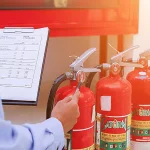
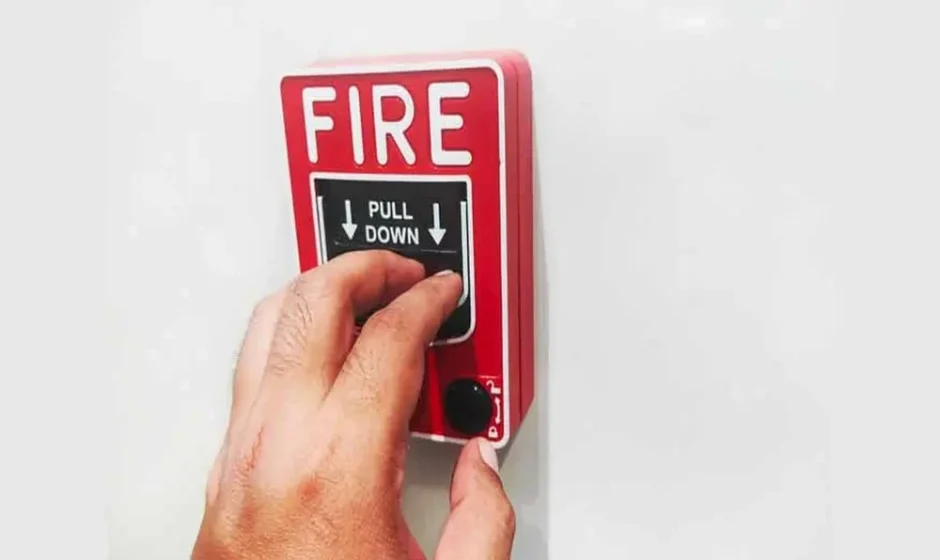

When you are scrambling to find a fire watch team after a sudden sprinkler system failure or a failed safety inspection. But behind the scenes, the security agency you hire is running a complex operational puzzle to keep their roster filled.
Understanding the operational structure of a fire watch security company allows property owners to look past sleek marketing materials and evaluate how services are actually delivered on the ground. The background, training, and legal classification of the guards deployed to your property directly dictate how effectively they will respond to potential hazards and adhere to strict compliance mandates. Taking time to unpack these backend staffing arrangements ensures you choose a partner that provides genuine protection rather than unvetted coverage.
The staffing model an agency uses directly impacts how fast they deploy, how reliable their guards are, and how much risk you take on as a property manager. Here is a breakdown of the three main staffing models security companies use.
W-2 Employee Staffing: The Gold Standard for Reliability
The most dependable fire watch companies build their business on direct W-2 employees. In this model, the guards work exclusively for the security agency, complete regular internal training, wear branded company uniforms, and receive hourly wages directly from the provider.
- Why it works: Because these guards are direct employees, the agency has total quality control. They run rigorous background checks, verify state licensing, and can enforce strict company policies regarding punctuality and professionalism.
- The vibe on-site: When a W-2 guard walks through your doors, they look polished, understand corporate compliance, and treat the job as a professional career rather than a random side hustle.
Independent Contractors (1099): The High-Flexibility Model
Many mid-sized or fast-growing security agencies supplement their core teams or rely entirely on independent contractors. In this setup, guards operate as freelance security agents who pick up shifts across multiple dispatch companies.
- The double-edged sword: This model gives agencies incredible flexibility to scale up or down based on market demand without keeping an overstaffed payroll. However, quality control can be wildly inconsistent.
- What you need to watch out for: Because 1099 contractors work for themselves, training standards vary wildly. You might get an experienced, sharp professional on Monday, and a distracted freelancer who barely understands local fire marshal logging rules on Tuesday.
Subcontracting and Partner Networks: The Broker Trap
Some companies market themselves as massive, nationwide fire watch brokers, but they don’t actually employ a single guard. The moment you sign a contract with them, they turn around and subcontract the job out to a completely different local vendor.
- The hidden risks: This model introduces a game of telephone with your security. If something goes wrong, like a guard showing up two hours late or failing to maintain proper logs, the broker has to call a subcontractor, who has to call the individual guard. Accountability gets lost in the shuffle.
- Markup costs: Brokers also add a hefty financial margin on top of the actual guard rates, meaning you pay top-dollar for service while the boots on the ground might be getting underpaid.
Questions to Ask Before You Sign
Before handing over your keys or signing an emergency dispatch contract, ask the agency point-blank: “Are your guards direct W-2 employees, or are you subcontracting this out?”
Working with a company that invests in its own trained, vetted employees ensures you get consistent, reliable eyes on your property when you need them most.